📞  — free, 24/7
— free, 24/7 — free, 24/7Medications and topical treatments for treating and preventing parasitic infections such as intestinal worms, protozoa, lice, scabies and external parasites. Includes oral, topical and systemic options used for diagnosis-guided therapy, eradication, or control.
Medications and topical treatments for treating and preventing parasitic infections such as intestinal worms, protozoa, lice, scabies and external parasites. Includes oral, topical and systemic options used for diagnosis-guided therapy, eradication, or control.
Antiparasitic medicines are drugs used to treat infections caused by organisms classified as parasites, which include single-celled protozoa and multicellular worms. These products are intended to reduce, kill, or inhibit the growth of the parasite responsible for symptoms or laboratory-confirmed infection. The category covers a range of chemical classes and modes of action, so the specific medicine chosen depends on the type of organism involved and where the infection is located in or on the body.
Typical situations where antiparasitic medicines are used include intestinal worm infections, certain blood or tissue protozoal infections, and external infestations such as scabies or lice. Some of these medicines are prescribed for short, single-dose treatments, while others require multi-day courses. In public health settings, antiparasitics are also used in targeted programs to control endemic parasitic diseases, and they may be recommended for travelers depending on destination and activities.
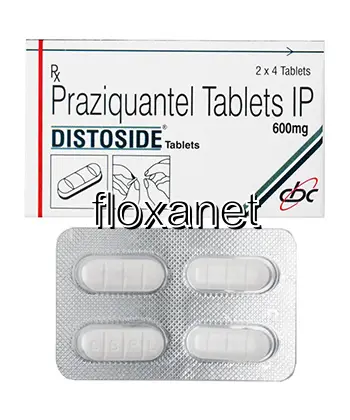
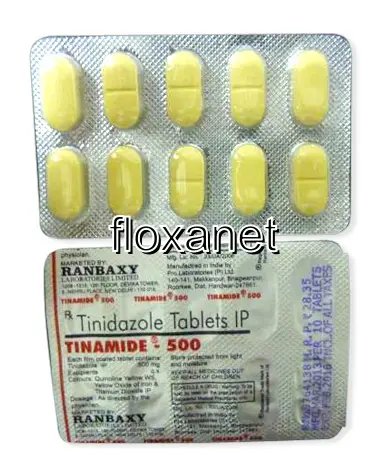
The category includes a mix of oral and topical agents and spans broad-spectrum products as well as very targeted drugs. Examples you will commonly encounter in pharmacies include albendazole (marketed as Albenza), praziquantel (Biltricide), ivermectin (Stromectol), tinidazole, and mebendazole (Vermox). These represent different approaches: some interfere with parasite metabolism, others paralyze or damage the parasite’s outer structures, and some are effective against specific parasite groups such as tapeworms, roundworms, or protozoa.
Safety considerations are an important part of choosing and using antiparasitic medicines. Many require a prescription because the correct drug depends on an accurate diagnosis, and some agents can interact with other medicines or affect people with particular health conditions differently. Side effects can range from mild gastrointestinal symptoms to neurological or allergic reactions in rare cases, and there can be special cautions for pregnant or breastfeeding individuals or those with liver disease. Product leaflets and professional advice are the appropriate sources for full safety information.
When selecting an antiparasitic product, consumers typically look at whether a prescription is needed, the formulation (tablet, suspension, cream), the treatment duration, and the spectrum of activity against the suspected parasite. Other common considerations include whether the product is suitable for children, whether follow-up testing is recommended after treatment, and whether the medicine has known interactions with other drugs being taken. Practical issues such as dosing schedule and the need to treat close contacts or household members can also influence choice.
Information available in this section is geared to help users recognize the kinds of medicines used against parasitic infections and understand general differences between them. For specific diagnosis, treatment decisions, precise dosing, or questions about interactions and safety in your personal situation, consult a qualified healthcare professional or pharmacist who can interpret test results and clinical history and recommend the most appropriate option.