📞  — free, 24/7
— free, 24/7 — free, 24/7Products to manage gout symptoms and prevention: prescription urate-lowering medicines (e.g., allopurinol, febuxostat), acute-attack treatments such as NSAIDs, colchicine and corticosteroids, plus supportive items for pain relief and joint care.
Products to manage gout symptoms and prevention: prescription urate-lowering medicines (e.g., allopurinol, febuxostat), acute-attack treatments such as NSAIDs, colchicine and corticosteroids, plus supportive items for pain relief and joint care.
Gout is a form of inflammatory arthritis caused by build-up of uric acid crystals in joints. Medicines in this area are intended either to relieve the intense pain and swelling of an acute gout attack or to reduce uric acid levels over time to prevent future flares. Treatments can act in different ways — reducing inflammation, lowering uric acid production, or increasing the body’s removal of uric acid — so people and clinicians choose options based on whether the goal is immediate symptom control or long-term management.
Acute gout flares typically start suddenly and are very painful, so many visits to this category are for fast-acting anti-inflammatory drugs used during those episodes. Other visits are for preventive therapy aimed at keeping uric acid at lower levels so attacks occur less often. Preventive treatment may also be recommended when gout is recurrent, when tophi or joint damage is present, or when associated medical conditions suggest it would be beneficial to reduce uric acid long term.
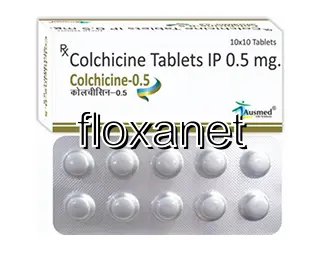
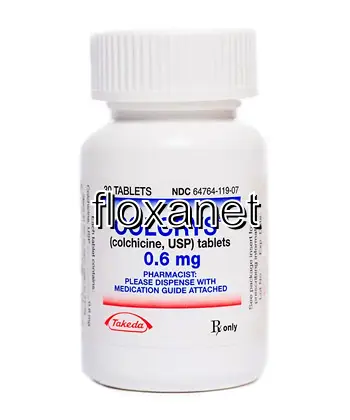
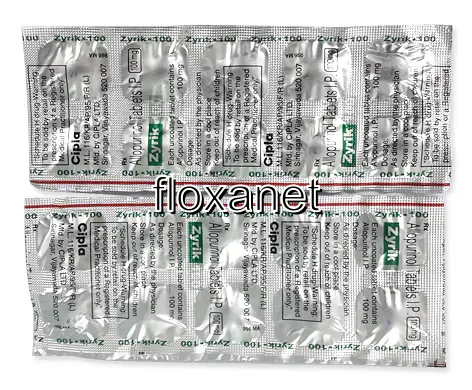
There are a few main types of medicines used in gout. Anti-inflammatory agents such as colchicine (sold under names including Colcrys) are commonly used for short-term relief of flares. Uric acid–lowering medications include xanthine oxidase inhibitors like allopurinol (also available under the name Zyloprim) which decrease uric acid production, and uricosuric agents such as probenecid (Benemid) which increase renal excretion of uric acid. Other supportive medications that are sometimes used during flares include nonsteroidal anti-inflammatory drugs and corticosteroids, which address inflammation and pain but do not change long-term uric acid levels.
How these medicines are used varies by purpose: some are prescribed for immediate, short courses during flares, while others are taken daily for months or years to maintain lower uric acid concentrations. Initiating long-term urate-lowering therapy can occasionally be associated with changes in flare frequency early on, and so short-term anti-inflammatory cover is sometimes part of a treatment plan. Dosing, timing, and duration are individualized, reflecting the difference between acute symptom control and chronic risk reduction.
Safety considerations are an important part of selecting a gout medicine. Side effects differ across drug classes: colchicine commonly causes gastrointestinal upset at higher doses, allopurinol carries a rare risk of severe allergic reactions in some people, and uricosurics rely on adequate kidney function to work safely. Interactions with other medications are possible, and some drugs require dose adjustments in the presence of kidney or liver impairment. Information about potential adverse effects, lab monitoring, and interaction profiles is typically available on product information and from health professionals.
When people compare options in this category they most often weigh effectiveness for either rapid flare relief or long-term uric acid control, the likely side-effect profile, dosing convenience, and whether additional monitoring (for example, blood tests for kidney function or uric acid levels) will be needed. Other practical considerations that influence choice include other medical conditions, current medications that could interact, and how quickly symptom relief is desired. Recognizing these differences helps users identify which type of gout medicine matches their needs and circumstances without implying specific treatment decisions.