📞  — free, 24/7
— free, 24/7 — free, 24/7Medications and supplements for osteoporosis management and fracture prevention, including bisphosphonates, SERMs, hormone therapies, calcitonin, calcium and vitamin D, and bone-building agents. Also covers dosing, safety, side effects and monitoring to support bone health.
Medications and supplements for osteoporosis management and fracture prevention, including bisphosphonates, SERMs, hormone therapies, calcitonin, calcium and vitamin D, and bone-building agents. Also covers dosing, safety, side effects and monitoring to support bone health.
Medications in the osteoporosis category are used to address reduced bone strength and increased fracture risk. They work by slowing bone loss, promoting bone formation, or supplying key nutrients needed for bone metabolism. The goal of treatment can range from preventing further bone thinning in people at risk to increasing bone density and lowering the chance of fractures in those already diagnosed with osteoporosis.
Common situations where these medicines are recommended include bone loss related to aging, hormonal changes after menopause, long-term use of corticosteroids, and certain medical conditions that affect bone health. Some people use these therapies as an early preventive measure when risk factors are present, while others begin treatment after a fracture or a diagnosis based on bone density testing. Treatment approach often depends on individual risk factors and the severity of bone loss.
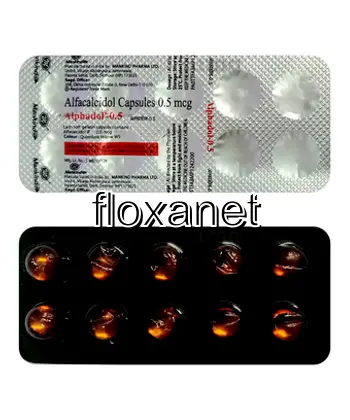
This category contains several types of products. Antiresorptive agents such as bisphosphonates (for example, alendronate often known by trade names) help reduce the rate at which bone is broken down. Supplements supplying calcium (commonly calcium carbonate) and vitamin D or its active forms (for example, alfacalcidol or calcitriol) support bone mineralization and calcium balance. Other available options include hormonal modulators, receptor-targeting biologics, and bone-building agents; each class has a different mechanism of action and typical use profile.
How these medicines are commonly used varies by drug class and formulation. Many oral bisphosphonates are taken on an empty stomach with specific timing and positioning requirements to aid absorption and reduce local irritation, while some formulations are given by injection at less frequent intervals. Calcium and vitamin D supplements are often taken daily and may be combined with other osteoporosis therapies. Duration of therapy can range from months to years and is often tailored to the individual’s response and ongoing assessment.
Safety considerations are an important part of using these medications. Side effects differ between drug types and can include gastrointestinal symptoms, changes in blood calcium levels, or uncommon but serious events associated with long-term therapy. Kidney function, other medications, and existing medical conditions can influence which therapies are suitable. Monitoring and periodic reassessment are typically part of managing osteoporosis treatment to balance benefits and potential risks.
When people compare options in this category they often look for proven effectiveness in fracture reduction, dosing convenience, formulation (oral versus injectable), and the overall safety profile. Information about active ingredients, how a medicine is administered, and whether supplemental calcium or vitamin D is needed are typical points of interest. Reliable information about what a product contains and how it fits into a broader bone-health plan helps consumers make informed choices.