📞  — free, 24/7
— free, 24/7 — free, 24/7Medications and supplies for managing Parkinson's disease: levodopa/carbidopa and adjuncts, dopamine agonists, MAO-B and COMT inhibitors, anticholinergics, and treatments for tremor, rigidity and bradykinesia, plus therapies for common non-motor symptoms and delivery systems.
Medications and supplies for managing Parkinson's disease: levodopa/carbidopa and adjuncts, dopamine agonists, MAO-B and COMT inhibitors, anticholinergics, and treatments for tremor, rigidity and bradykinesia, plus therapies for common non-motor symptoms and delivery systems.
Medications in the Parkinson's disease category are those commonly used to address the neurological and motor symptoms associated with Parkinsonian conditions. These products act on different aspects of the brain's chemistry and nervous system to help manage tremor, stiffness, slowness of movement and balance problems. They are part of a long-term treatment approach intended to reduce symptom burden and help maintain daily functioning, and they are typically prescribed and adjusted over time rather than taken on an occasional basis.
People affected by Parkinsonian disorders may experience a range of motor and non-motor symptoms, and the medicines here are most often used to treat the motor features such as bradykinesia (slowness of movement), rigidity, and resting tremor. Some drugs are also prescribed to address related problems like drug-induced movement complications or fluctuations in responsiveness during the day. Timing, dosing pattern and choice of agent can influence how quickly benefits appear and how long symptomatic control lasts between doses.
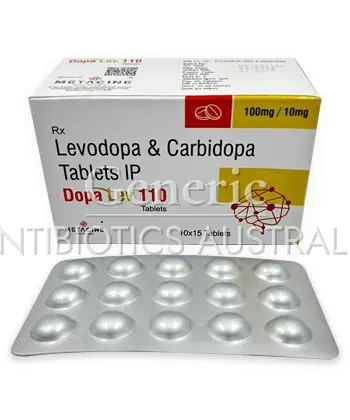
This category contains several pharmacological classes. Levodopa combinations, which supply the brain with the dopamine precursor, are represented by products such as Sinemet and Stalevo in their various formulations. Dopamine agonists that mimic dopamine activity include agents known by names such as Mirapex (pramipexole), Requip (ropinirole) and Parlodel (bromocriptine). Enzyme inhibitors and modulators are also present, for example MAO-B inhibitors like Eldepryl (selegiline) and COMT-inhibitor combinations that extend levodopa action. Anticholinergic medicines such as Artane (trihexyphenidyl) or Kemadrin (procyclidine) and other agents like Symmetrel (amantadine) are included for specific symptom profiles. Products may be single agents or fixed combinations intended to simplify regimens.
Formulations vary within the category to accommodate different treatment goals. Immediate-release tablets provide relatively rapid onset, while controlled- or extended-release forms (for example labeled as CR) are designed to smooth out blood levels and reduce the frequency of dosing. Some combination products pair a precursor with an enzyme inhibitor to increase central availability of active medication. The choice between immediate, sustained-release or combination options relates to factors such as how symptoms fluctuate during the day, the convenience of dosing and the desire to minimize peaks and troughs in effect.
General safety considerations for Parkinson's medications reflect their impact on multiple bodily systems. Common side effects can include nausea, lightheadedness or low blood pressure on standing, sleepiness, vivid dreams or confusion, and abnormal involuntary movements after prolonged use. Certain agents, particularly dopamine agonists, have been associated with behavioral effects such as impulsivity or compulsive behaviors in some people. Drug interactions are a consideration with enzyme inhibitors and agents that affect serotonin or blood pressure. Because individual response and tolerability vary, monitoring and periodic reassessment are frequent parts of pharmacologic management.
When comparing options in this category, consumers often weigh the specific symptoms they want addressed, how quickly relief is needed, and the trade-offs between effectiveness and side effects. Other common considerations include formulation (immediate versus extended release), whether a combination product reduces pill burden, and the known safety profile of a given medicine. Availability of generic versions, practical dosing schedules, and how a medicine fits with other treatments someone is taking also play roles in decision-making about which product to select.