📞  — free, 24/7
— free, 24/7 — free, 24/7Products for diagnosis and management of thyroid disorders, including hormone replacement therapies, antithyroid medications, dosage forms and related supplements, plus informational resources for monitoring symptoms, lab results, and safe medication use.
Products for diagnosis and management of thyroid disorders, including hormone replacement therapies, antithyroid medications, dosage forms and related supplements, plus informational resources for monitoring symptoms, lab results, and safe medication use.
The Thyroid category covers medications that affect the thyroid gland or replace its hormones. The thyroid is a small endocrine organ that produces hormones involved in regulating metabolism, energy use, and many bodily functions, and medications in this category either replace deficient hormones or provide specific hormone components. These products are typically used when the body cannot produce adequate thyroid hormone naturally, when the gland has been surgically removed, or when hormone balance needs to be adjusted for other clinical reasons.
Common use cases include long-term hormone replacement for underactive thyroid function, short-term correction of hormone imbalances, and management after surgery or radioactive treatment for thyroid conditions. Some preparations supply the primary thyroid hormone thyroxine (T4), while others provide the more active triiodothyronine (T3) or a combination of both. The goal of therapy in many situations is to restore stable hormone levels to reduce symptoms associated with low thyroid activity and to help maintain normal metabolic processes.
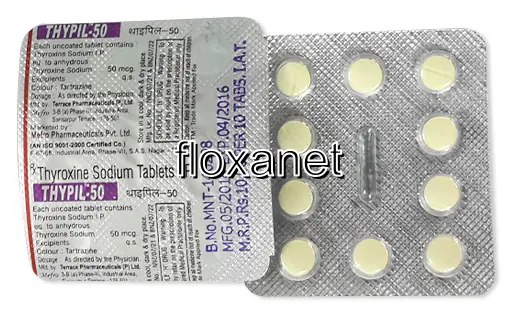
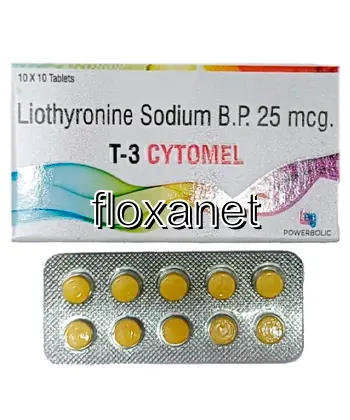
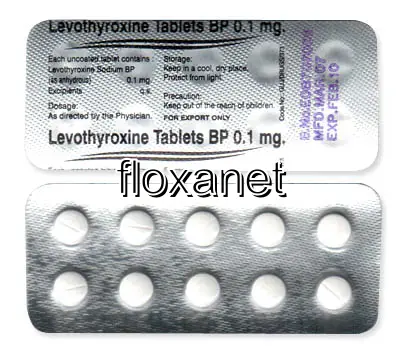
Medications in this category come in several pharmacologic types and formulations. Synthetic levothyroxine (a T4 hormone) is the most commonly dispensed form and is available in a range of strengths to allow precise dosing. Liothyronine (a synthetic T3) is used when a faster-acting or different hormonal profile is desired. Some products combine T4 and T3, and there are also natural desiccated thyroid extracts derived from animal thyroid tissue, which contain both hormone forms in varying proportions. Tablets are the most common dosage form, while liquid or softgel options are available for people with swallowing or absorption concerns.
Examples of well-known medicines associated with thyroid replacement include levothyroxine formulations and liothyronine preparations. Levothyroxine products are typically prescribed for routine replacement therapy and come in many brand and generic versions. Liothyronine is used in situations where a T3 formulation is indicated or when clinicians consider a different response to therapy. These names are representative of commonly used active ingredients and illustrate the distinction between T4 and T3 approaches to treatment.
General safety considerations focus on dosing consistency, interactions, and monitoring. Thyroid hormone medicines have a narrow therapeutic range, meaning that both insufficient and excessive dosing can cause unwanted effects. Certain foods, supplements, and other medicines can interfere with absorption or action, and timing of administration relative to meals or supplements is often important for consistent effect. Because individual requirements vary, ongoing assessment of effectiveness and tolerability—often including periodic laboratory testing—is a central part of safe management with these medications.
When selecting a thyroid medicine, people typically consider the active hormone(s) delivered, available strengths, formulation (tablet, liquid, or softgel), and whether a brand or generic product better suits their needs. Reliability of supply, stability and storage, and ease of dose adjustments are additional practical factors. For those already on thyroid therapy, maintaining the same formulation and manufacturer when possible can help reduce variability, and considerations about interchangeability and monitoring tend to guide choices alongside professional clinical assessment.