📞  — free, 24/7
— free, 24/7 — free, 24/7Products for urinary tract support and symptom relief, including UTI treatments, bladder control aids, urinary pain and infection symptom relievers, catheter supplies, and supplements that promote urinary tract and bladder health.
Products for urinary tract support and symptom relief, including UTI treatments, bladder control aids, urinary pain and infection symptom relievers, catheter supplies, and supplements that promote urinary tract and bladder health.
Medications listed under Urinary Health address a range of common conditions affecting the bladder, urethra and prostate. These products are intended to modify bladder muscle activity, relieve spasms, improve urine flow, reduce urinary urgency and frequency, or manage symptoms related to an enlarged prostate. The category spans treatments aimed at different underlying mechanisms so that options are available for conditions such as overactive bladder, stress or urge incontinence, bladder spasms after surgery or catheter use, and lower urinary tract symptoms commonly associated with benign prostatic enlargement.
Typical use cases involve bothersome symptoms rather than acute emergency care. People seek these medicines for sudden urges to urinate that are difficult to control, frequent daytime or nighttime urination, accidental leakage, and discomfort from involuntary bladder contractions. For men with prostate enlargement, treatments in this group can help reduce urinary hesitancy, improve the strength of the urinary stream and decrease residual volume. Some products are intended for short-term relief of bladder spasm following procedures, while others are designed for ongoing management of chronic symptoms.
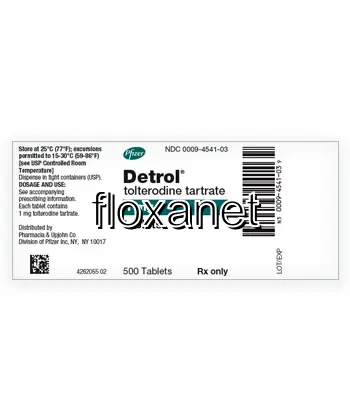
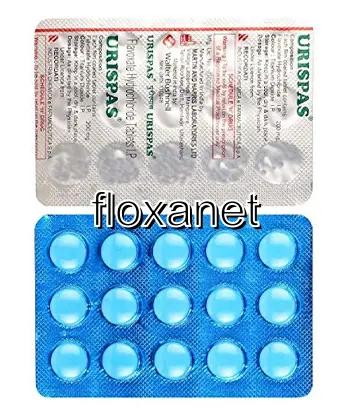
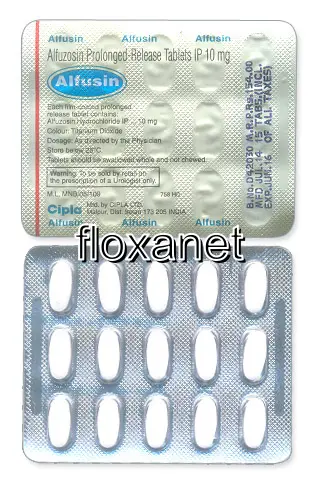
The category contains several pharmacological classes. Antimuscarinic agents such as oxybutynin (often sold under names like Ditropan) and tolterodine (found in formulations such as Detrol and Detrol LA for extended release) act to calm overactive bladder muscle. A transdermal formulation of oxybutynin is marketed as Oxytrol, providing an alternative delivery route. Beta-3 adrenergic agonists such as mirabegron (commonly known by trade names like Vesicare) work by a different mechanism to relax the bladder. Alpha‑adrenergic blockers used for prostate-related symptoms include tamsulosin (Flomax), alfuzosin (Uroxatral), terazosin (Hytrin) and older agents like prazosin (Minipress); these improve urinary flow by relaxing smooth muscle in the prostate and bladder neck. Antispasmodic agents such as Urispas are used in some regions for relief of spasm and discomfort.
Safety and tolerability vary across the different types of urinary medicines and between individuals. Antimuscarinics frequently cause dry mouth, constipation and occasional blurred vision or dizziness, while beta‑3 agonists can affect blood pressure and heart rate in some people. Alpha‑blockers are associated with dizziness related to low blood pressure, especially when standing up, and may interact with other medicines that influence blood pressure. Contraindications, cautions and potential drug interactions are described in the product information and regulatory labeling for each medicine. Some agents are available only on prescription and are accompanied by specific monitoring recommendations in that context.
When considering options within Urinary Health, users commonly compare formulation and dosing (tablet versus patch, immediate release versus extended release), side‑effect profiles, and the symptom pattern they want to target. For example, long‑acting formulations such as Detrol LA may be preferred for once‑daily dosing, transdermal delivery like Oxytrol may be chosen to reduce certain systemic effects, and alpha‑blockers are selected when prostate enlargement is the main issue. Availability, whether a medicine requires a prescription, and individual medical history are often relevant factors in deciding which product is appropriate.
Practical considerations that frequently influence choice include ease of use, frequency of dosing, known interactions with other treatments being taken, and prior personal response to similar medicines. Information provided with each product outlines indications, typical side effects and safety information; regulatory labeling and healthcare professionals are primary sources for personalized recommendations. The mixture of antimuscarinics, beta‑3 agonists, alpha‑blockers and antispasmodics in this category reflects the varied causes of urinary symptoms and the need for treatments that match individual patterns of symptoms and tolerability.