📞  — free, 24/7
— free, 24/7 — free, 24/7Products for muscle building and strength training: protein powders, creatine, amino acids, pre- and post-workout formulations, recovery supplements, vitamins and minerals, joint and hydration supports, and select hormonal or metabolic aids used under medical guidance.
Products for muscle building and strength training: protein powders, creatine, amino acids, pre- and post-workout formulations, recovery supplements, vitamins and minerals, joint and hydration supports, and select hormonal or metabolic aids used under medical guidance.
Bodybuilding as a pharmacy category covers medications and hormone-related products that are sometimes used to influence muscle mass, strength, recovery, and body composition. The focus is on agents that affect the endocrine system or protein metabolism rather than on basic supplements such as vitamins or protein powders. Products seen here range from pharmaceutical testosterone preparations to medicines that alter the balance of estrogen or influence gonadotropin signaling. Many items are intended for specific medical conditions but are also known in fitness circles for their effects on physical performance and muscle development.
Common use cases include medically supervised treatment of hormone deficiencies, recovery from certain types of muscle wasting, and fertility-related therapy, as well as non-medical use aimed at enhancing physical appearance or athletic performance. Some of these medicines are prescribed to restore normal testosterone levels in men with diagnosed hypogonadism, while others are part of fertility protocols for both men and women. Outside prescribed indications, a portion of use in sports and aesthetic contexts is off-label and subject to legal and health risks.
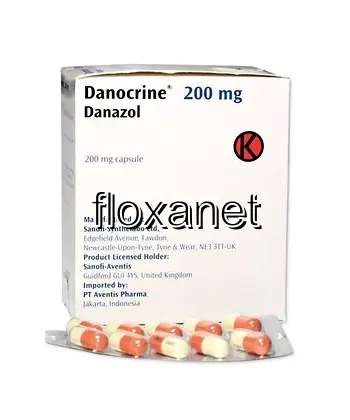
The category contains several distinct types of medications. Topical testosterone preparations such as AndroGel deliver exogenous testosterone to support low-hormone states. Selective estrogen receptor modulators (SERMs) like Nolvadex (tamoxifen) and Clomid or Serophene (both forms of clomiphene) act on estrogen receptors and are commonly referenced in hormone management. Aromatase inhibitors exemplified by Arimidex or Armotraz reduce the conversion of androgens to estrogen. Androgenic agents and other modulators such as Danocrine may appear in specific clinical contexts. Each class has different intended effects and pharmacological profiles.
Safety considerations are an important part of choosing and using these medicines. Many have strong physiological effects and a potential for significant side effects, including impacts on cardiovascular health, liver function, hormonal balance, mood, and reproductive function. Regulatory status varies by country and product; several compounds require a prescription and clinical monitoring. Drug interactions and contraindications can be clinically meaningful, and product quality and authenticity are additional concerns when sourcing pharmaceutical-grade agents.
When shopping within this category, consumers typically look for information about the medicine’s intended clinical use, active ingredient, route of administration (oral, topical, injectable), and regulatory status. Details such as whether a product is approved for specific indications, whether generic alternatives exist, and what laboratory monitoring is usually associated with its use are often important. Transparency in labeling, clear ingredient lists, and reliable manufacturer information are key considerations for those comparing options.
For many people interested in bodybuilding-related medicines, clarity about the difference between therapeutic use and performance-oriented use is central. Examples commonly referenced in discussions about this category include AndroGel and Androxal as testosterone-supporting agents, Arimidex or Armotraz as aromatase inhibitors, and Clomid, Serophene or Nolvadex as selective estrogen receptor modulators; Danocrine is another agent that can appear in specific medical protocols. Accurate product information, awareness of legal and safety issues, and the expectation that these drugs are generally handled within a clinical framework help guide consumer decisions in this area.